
SEO Explained: The Types of SEO and How They Impact Google Rankings
In an ever-connected world, where the battle for online visibility is fiercer than ever, mastering the art of SEO (Search Engine Optimisation) is crucial. Imagine your website as a hidden gem in the vast digital ocean, and SEO is the map that guides users to it.
For small business owners and marketing professionals, understanding SEO can be the key to improving your website’s visibility and attracting a steady flow of customers. But how exactly does SEO work, and what types of SEO can you leverage to climb the ranks on Google?
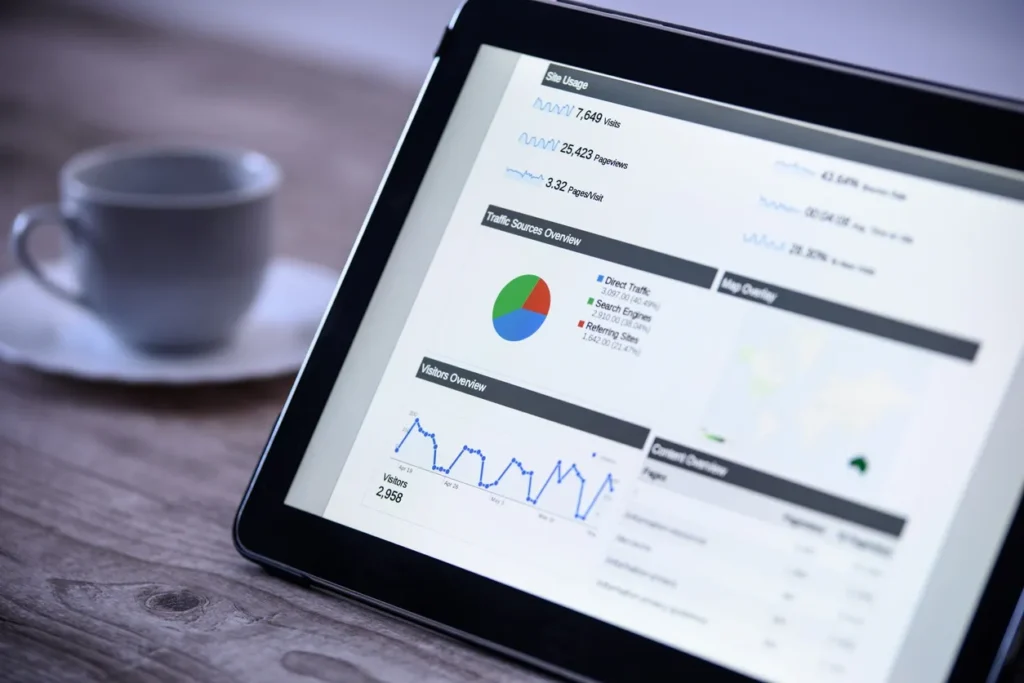
Search Engine Optimisation topics
- SEO is vital for enhancing online visibility and attracting customers.
- Understanding SEO allows you to make strategic marketing decisions.
- Different types of SEO, including on-page, off-page, technical, local, and e-commerce, impact Google rankings.
- On-page SEO focuses on content optimisation.
- Off-page SEO aims to build authority through external links, social media, or other online channels.
- Technical, local, and mobile SEO ensure your website meets search engine requirements and connects with geographically-targeted customers.
What is SEO, and how will it benefit your business?
At the heart of digital marketing lies SEO. But what is SEO?
In simple terms, Search Engine Optimisation, or SEO, is the act of tweaking your website to rank higher on search engines like Google. This is critical because higher rankings lead to greater visibility, which in turn attracts more visitors.
SEO is a linchpin in your digital content marketing strategy as it helps businesses attract and retain customers. By appearing in search results, you can ensure that your brand reaches the right audience at the perfect time. Search engines, like Google, prioritise websites that offer relevant, high-quality content.
When you master SEO, you position your business for long-term growth. This isn’t just about short-term gains; it’s about establishing a presence that stands the test of time.
Understanding the importance of SEO allows you to make informed decisions about your marketing strategies. It’s not just about increasing traffic; it’s about bringing in the right kind of traffic – those who are genuinely interested in what you have to offer. By focusing on SEO, you’re building brand awareness and credibility, which are fundamental to business success.
Exploring the basics of SEO
When looking at the basics of SEO, think of it like setting the stage for a grand performance. The goal is to improve your website to increase its visibility in search engine results. This process involves multiple strategies, each aimed at enhancing both the quantity and quality of traffic your site receives.
Keywords are the stars of the SEO show. They’re the bridge connecting users to your content. Choosing the right keywords means understanding your audience’s needs and speaking their language. But it’s not just about keyword reserach; the relevance and quality of your content significantly affect your rankings. Google’s algorithms are designed to reward content that provides value and answers users’ queries effectively.
Whether you’re optimising your content for better keyword placement or ensuring your site loads swiftly, each step is a move towards better visibility.
How search engines like Google rank websites
Ever wondered what goes on behind the scenes as Google ranks websites? It’s a complex puzzle, with search engines using sophisticated algorithms to determine which websites deserve the spotlight. These algorithms evaluate a multitude of factors, from keywords to site speed, to decide where your website lands on the search results page.
Google’s algorithms are constantly evolving, with updates designed to improve user experience. Keywords still play a pivotal role, but they’re part of a larger picture. Websites with faster loading speeds are often rewarded with better rankings, as no one enjoys waiting for a page to load. Similarly, high-quality backlinks contribute positively to your site’s authority, signalling to Google that your content is credible.
User experience and mobile-friendliness are also key players in the ranking game. As more users access the web via mobile devices, ensuring your site is mobile-friendly is incredibly important. Search engines use crawlers to index your site, so technical aspects, like a clean site architecture, can’t be overlooked. In essence, every element of your website, from performance to content quality, is a ranking factor.
The pillars of SEO: Foundation for success
Think of SEO as a majestic building, with each pillar supporting your structure’s success. At the core is content, often hailed as king. Providing valuable, relevant content to users is the foundation of effective SEO. This means regularly updating your site with fresh, informative content that addresses your audience’s needs.
On-page SEO ensures your website’s content is optimised for search engines. This includes everything from keyword placement to meta tags, making your content more accessible. Keyword research is an essential on-page aspect.
Off-page SEO, on the other hand, focuses on building your site’s reputation via reputable sources. These external links act as votes of confidence, boosting your site’s authority.
Technical SEO addresses the structural aspects of your website, ensuring it’s appropriately indexed by search engines.
Local SEO is all about targeting customers in specific geographical locations. It’s essential for businesses looking to attract nearby customers.
Lastly, e-commerce SEO caters specifically to online shops, focusing on product descriptions and category pages.
Each pillar plays a crucial role in your overall SEO strategy, laying the groundwork for long-term success.
On-Page SEO: Organic search content
On-page SEO is all about making your website’s content shine. It involves optimising content to enhance relevance and keyword placement. This means carefully selecting keywords (keyword research) that align with user intent and integrating them naturally into your content.
Meta tags provide essential information to search engines about your content. They play a crucial role in improving your site’s visibility.
Internal links help search engines understand your site’s structure, guiding crawlers through your content. Clean, descriptive URLs are also important for both user understanding and indexing.
Images and multimedia need optimisation for faster loading and better rankings. This includes using descriptive alt tags and compressing images to reduce load times.
By focusing on these elements, you enhance your site’s search engine friendliness and user experience.
Off-page SEO: Building authority through external links
Off-page SEO is like building a web of connections that enhance your site’s credibility. Backlinks from reputable sources are the backbone of off-page SEO. These links act as endorsements, signalling to search engines that your content is trustworthy.
Social media engagement can drive traffic and enhance visibility. Platforms like Facebook and Twitter provide opportunities to connect with your audience and share your content. Guest blogging offers a chance to gain valuable backlinks, contributing to your site’s authority.
Brand mentions across the web can improve your site’s credibility. Networking with other businesses provides link-building opportunities, fostering a community of support.
Off-page SEO is about building relationships that elevate your online presence.
Technical SEO: An indexing-friendly structure
Technical SEO is the backbone of a well-optimised website. Site speed is a critical factor, as slow-loading sites can drive users away. Mobile compatibility is equally important, as more users access the web on their phones.
Sitemaps are essential for helping search engines index your site efficiently. They provide a roadmap of your site’s content, ensuring nothing is overlooked. Security features, like HTTPS, build trust with users and search engines alike.
Structured data assists search engines in understanding your content better. It provides context, helping search engines deliver more accurate results. By focusing on technical SEO, you create a solid foundation for your site’s success.
Local SEO: Research nearby customers
Local SEO is your ticket to connecting with customers in your area. Google My Business listings enhance your local search presence, making it easier for customers to find you. Local keywords improve visibility for geographically-targeted searches.
Customer reviews influence local search rankings and build trust. Positive reviews can attract new customers and improve your reputation.
NAP consistency (Name, Address, Phone) is crucial for local SEO success, ensuring your information is accurate and up-to-date.
Local content creation can engage your community and improve rankings. By focusing on local SEO, you position your business as a go-to resource in your area.
Mobile SEO: Optimisation for a mobile-first world
In today’s mobile-first world, mobile SEO is more important than ever. Responsive design ensures your site functions well on all devices, providing a seamless experience for users. Mobile speed optimisation is essential for user satisfaction and ranking.
User-friendly navigation on mobile enhances the browsing experience. Pop-ups on mobile should not hinder user experience or search rankings.
Mobile-first indexing by Google demands prioritisation of mobile SEO, ensuring your site meets the needs of mobile users.
E-Commerce SEO: Driving traffic to online shops
For online shops, e-commerce SEO is the key to attracting traffic. Product descriptions need optimisation for relevant keywords, ensuring your products appear in search results. Category pages should be structured for seamless navigation.
Customer reviews build trust and provide fresh content, contributing to SEO efforts.
Schema markup helps highlight essential product details in search results, improving visibility. Optimised images improve site speed and user experience, enhancing your e-commerce SEO efforts.
Measuring Success: Key SEO tools that deliver results
Measuring the success of your SEO efforts requires the right tools. Google Analytics offers insights into your website’s performance, providing data on user behaviour and traffic sources. Google Search Console helps monitor and maintain your site’s presence in search results.
SEO tools like SEMrush, MOZ, SE Ranking, and Ahrefs provide comprehensive analysis, offering insights into your site’s strengths and weaknesses. Keyword tracking tools help evaluate your ranking progress, ensuring your strategies are effective. Regular audits ensure your SEO strategies remain on track, allowing for adjustments as needed.
However, while Google Analytics and Google Search Console are free to use, many other SEO software packages are not. It’s often more cost-effective to employ the services of an SEO specialist who has access to said packages.
White Hat vs Black Hat: Understanding SEO strategies
When it comes to SEO, it’s important to understand the difference between white hat and black hat strategies. White hat SEO focuses on ethical, long-term strategies for ranking. This includes creating quality content and improving user experience.
Black hat techniques, on the other hand, risk penalties from search engines. Practices like link farming and keyword stuffing should be avoided. Sustainable practices in white hat SEO ensure ongoing success, building trust with search engines and users alike.
Ranking factors: What Google looks for
Understanding what Google looks for in a website can guide your SEO efforts. Content quality remains a top-ranking factor, as search engines prioritise valuable, relevant content. Backlink quality influences your site’s authority and rankings, signalling credibility.
Mobile-friendliness is essential for modern search engine algorithms, ensuring your site reaches a broader audience. Page speed directly impacts user experience and rankings, making it a critical factor in SEO. User engagement indicators, like bounce rate, also affect rankings, highlighting the importance of providing a positive experience.
Skills for crafting an effective SEO strategy
Crafting an effective SEO strategy starts with defining clear objectives aligned with your business goals. Conduct thorough keyword research to guide content creation, ensuring your strategy is based on data. Implement on-page and off-page strategies for a balanced approach.
Monitor and adjust your strategies based on performance data, allowing for continuous improvement. Build a sustainable SEO plan for long-term success, focusing on ethical practices and user satisfaction.
SEO best practices: Tips for long-term success
For long-term success in SEO, focus on best practices that keep your content relevant and fresh. Consistent updates ensure your site remains valuable to users. Comprehensive audits identify areas for improvement, allowing for adjustments as needed.
Focus on user experience for better engagement and rankings, prioritising ethical practices that avoid penalties. Adaptability ensures your strategies evolve with changing algorithms, keeping your business competitive in the digital landscape.
In conclusion
Understanding and implementing the various types of SEO is crucial for enhancing your website’s visibility and ranking on Google. With a strategic approach, you can position your business for success in the digital world. Remember, SEO is not just a one-time effort but a continuous process that requires dedication and adaptability.
Get in touch with Lee Davey SEO for tailored advice and strategies to boost your online presence.
Frequently Asked Questions
What is SEO, and why is it important?
SEO, or Search Engine Optimisation, is the practice of enhancing a website to improve its visibility on search engines like Google. It’s vital because higher visibility means more traffic, which can lead to increased engagement and conversions. SEO ensures your site stands out in the vast digital landscape, driving more potential customers your way.
What are the main types of SEO?
There are three primary types of SEO: On-page, Off-page, and Technical SEO. On-page involves optimising content and HTML source code. Off-page focuses on building backlinks and social media engagement. Technical SEO addresses site structure, speed, and mobile-friendliness. Each type contributes to improving your site’s search engine ranking.
How does on-page SEO impact Google rankings?
On-page SEO influences rankings by ensuring content is relevant and keyword-optimised, making it easier for search engines to understand your site. This includes using meta tags, headers, and internal links effectively. When done correctly, on-page SEO can significantly boost your site’s visibility and relevance in search results.
Why is off-page SEO crucial for rankings?
Off-page SEO is essential because it builds your site’s authority and credibility through external factors like backlinks. Quality links from reputable sites signal to Google that your content is trustworthy and valuable. This kind of endorsement can significantly enhance your site’s ranking, pushing it higher in search results.
What role does Technical SEO play in search rankings?
Technical SEO ensures your site is easy for search engines to crawl and index. It involves optimising elements like site speed, mobile responsiveness, and secure connections (HTTPS). A well-structured, fast-loading site offers a better user experience, which Google rewards with higher rankings.